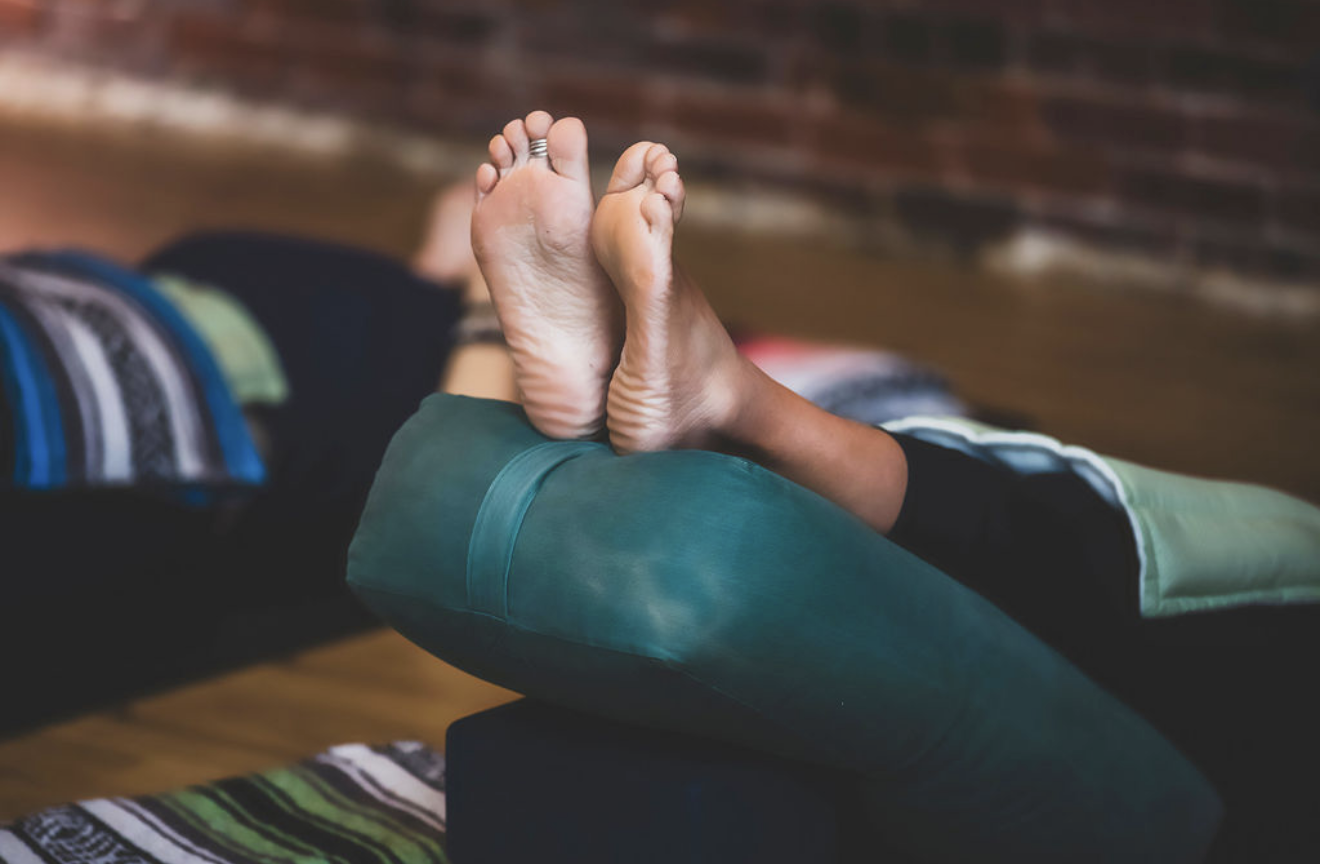
Restorative Yoga for Stress Relief and Nervous System Reset in New Hampshire and Maine
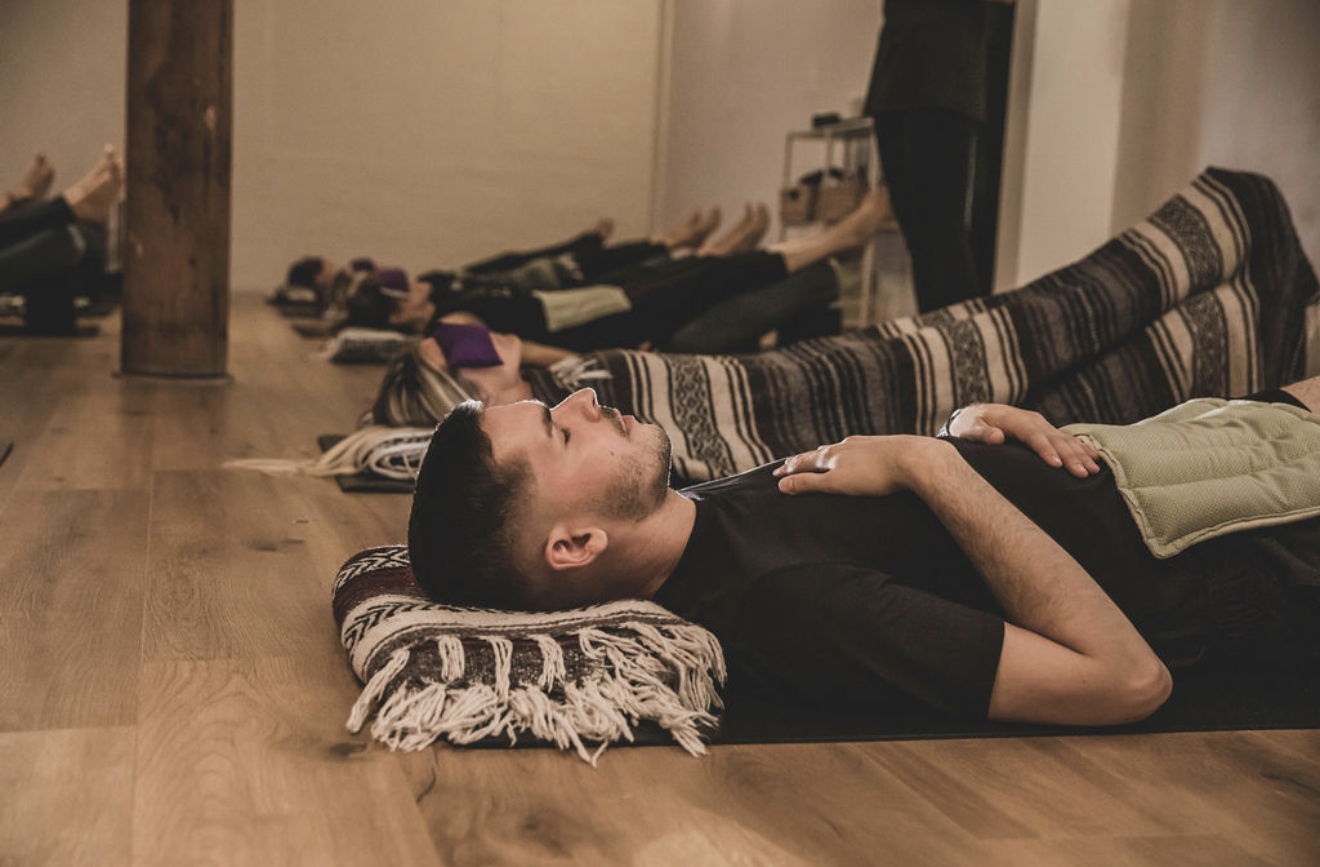
“The success of yoga does not lie in the ability to perform postures, but in how the practice supports the individual.”
We live in a time where being busy is worn like a badge of honor. Full calendars, constant stimulation, and elevated stress levels keep many of us operating in survival mode far longer than our bodies were ever designed to handle. Over time, this state of chronic fight or flight affects not only our mental health, but our physical well-being, sleep, digestion, and emotional resilience.
Restorative yoga offers a powerful antidote. By slowing down intentionally, we engage the parasympathetic nervous system and allow the body to return to a state of safety, balance, and healing. At Humble Warrior Power Yoga, restorative practices are designed to help students soften, reset, and reconnect with themselves in a meaningful and sustainable way.
“When the body is arranged so the breath can move freely, healing happens naturally.”
How Restorative Yoga Supports the Nervous System
Restorative yoga activates the parasympathetic nervous system, often referred to as the “rest and digest” response. This system supports essential functions such as digestion, immune health, emotional regulation, and sleep. When the parasympathetic system is engaged, the body can shift out of stress mode and into recovery.
In modern life, cortisol levels often remain elevated due to constant demands, technology, and lack of true rest. Restorative yoga gently interrupts this pattern. Through stillness, supported postures, and conscious breathing, the nervous system receives the message that it is safe to slow down.
Slowing down is not passive. It is an intentional practice that teaches the body how to rest again.
What Restorative Yoga Really Is
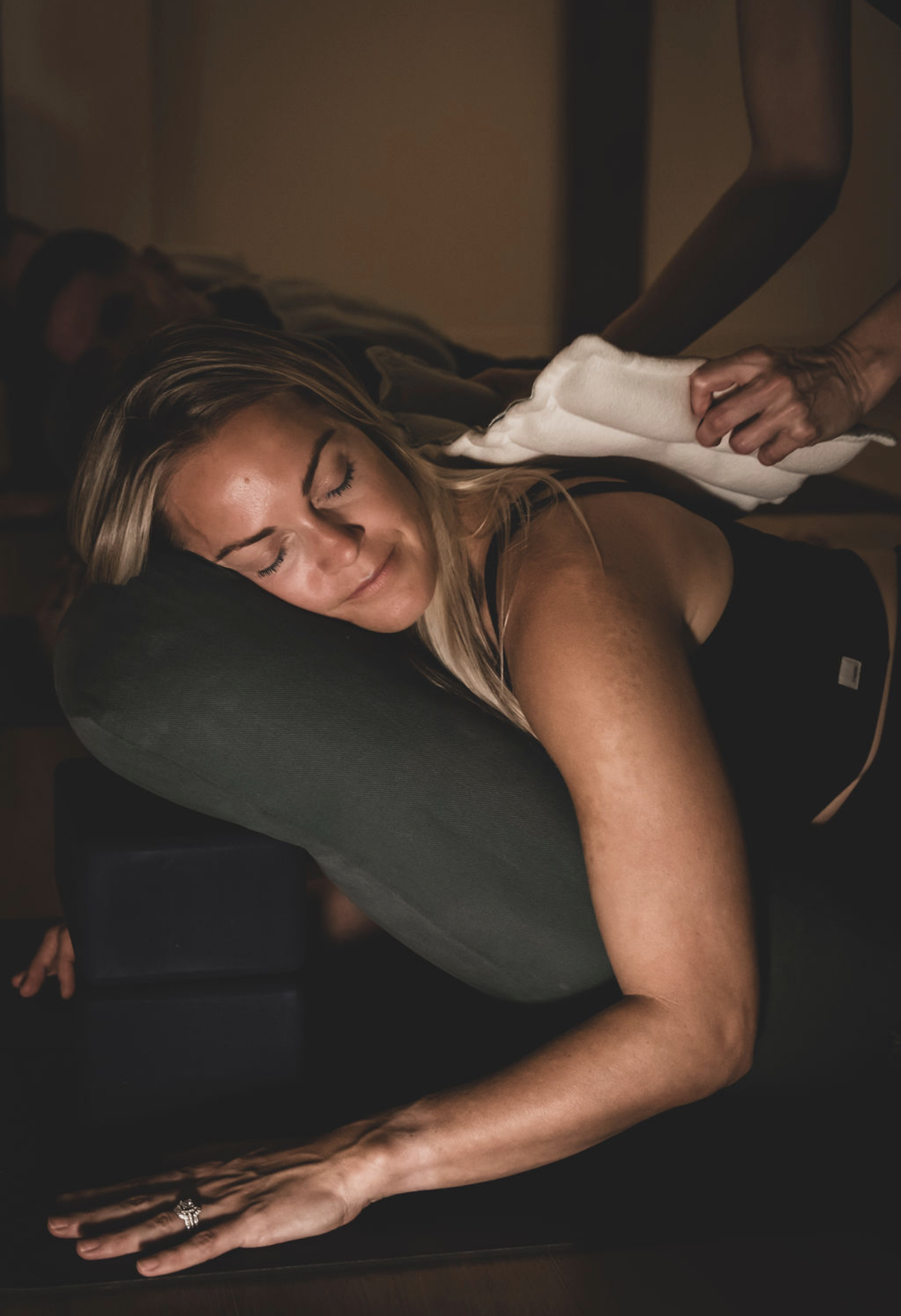
Self-Care should not be an option on this human journey.
Restorative yoga is often misunderstood as simply lying still on a mat. While comfort is essential, the practice is much more nuanced. Restorative yoga is a dialogue between the body, breath, and awareness.
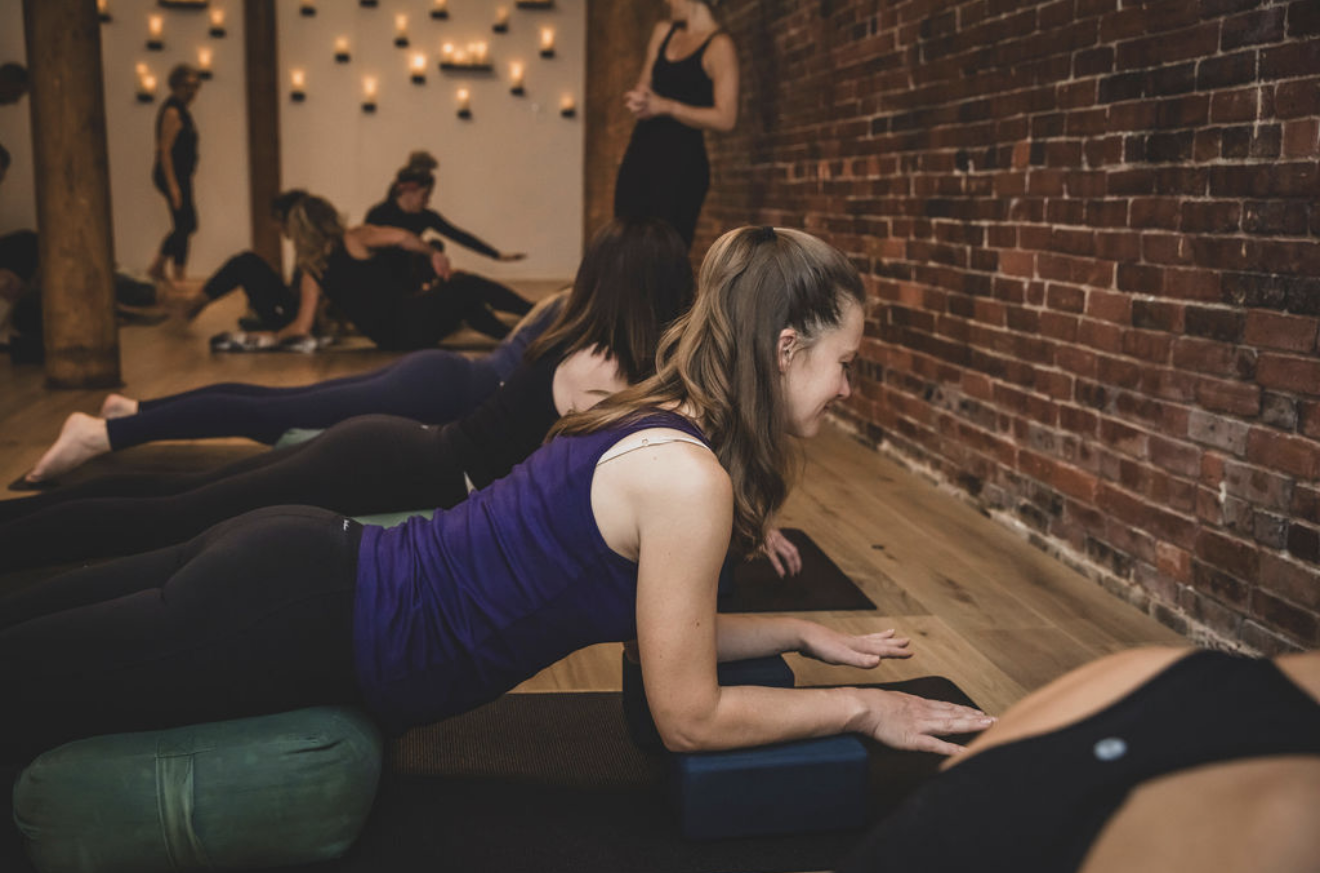
Many restorative poses are inspired by active postures found in vinyasa yoga. When these shapes are supported with props and held for longer periods, muscles are encouraged to relax fully while gravity and alignment gently re-channel the breath. Exploring familiar poses in restorative ways refreshes attentiveness and reveals the many places in yoga and in life where relaxation is possible.
Doctor of Physical Therapy Jonina Terzo describes a restorative pose as one in which the arrangement of the bones, the support of props, and the gentle pressure of gravity work together to guide the breath. Every tissue in the body, from the soles of the feet to the crown of the head, can and should receive movement from the breath.
A restorative pose is healing when it feels pleasurable, sustainable, and allows the breath to reach deeply held areas of tension. If you want the pose to continue and your breath feels free, the body is responding.
People who prefer the more intense physical aspect of movement avoid these classes as they struggle with the intensity of the mind and the endless fidget monkey that lives within us all. There is a beautiful Zen Buddhist saying that reminds us all that slowing down is not an option but a true gift of self-love.
“If you do not have time to meditate for 20 minutes, you should meditate for 60 minutes.”
Breath, Props, and the Healing Environment
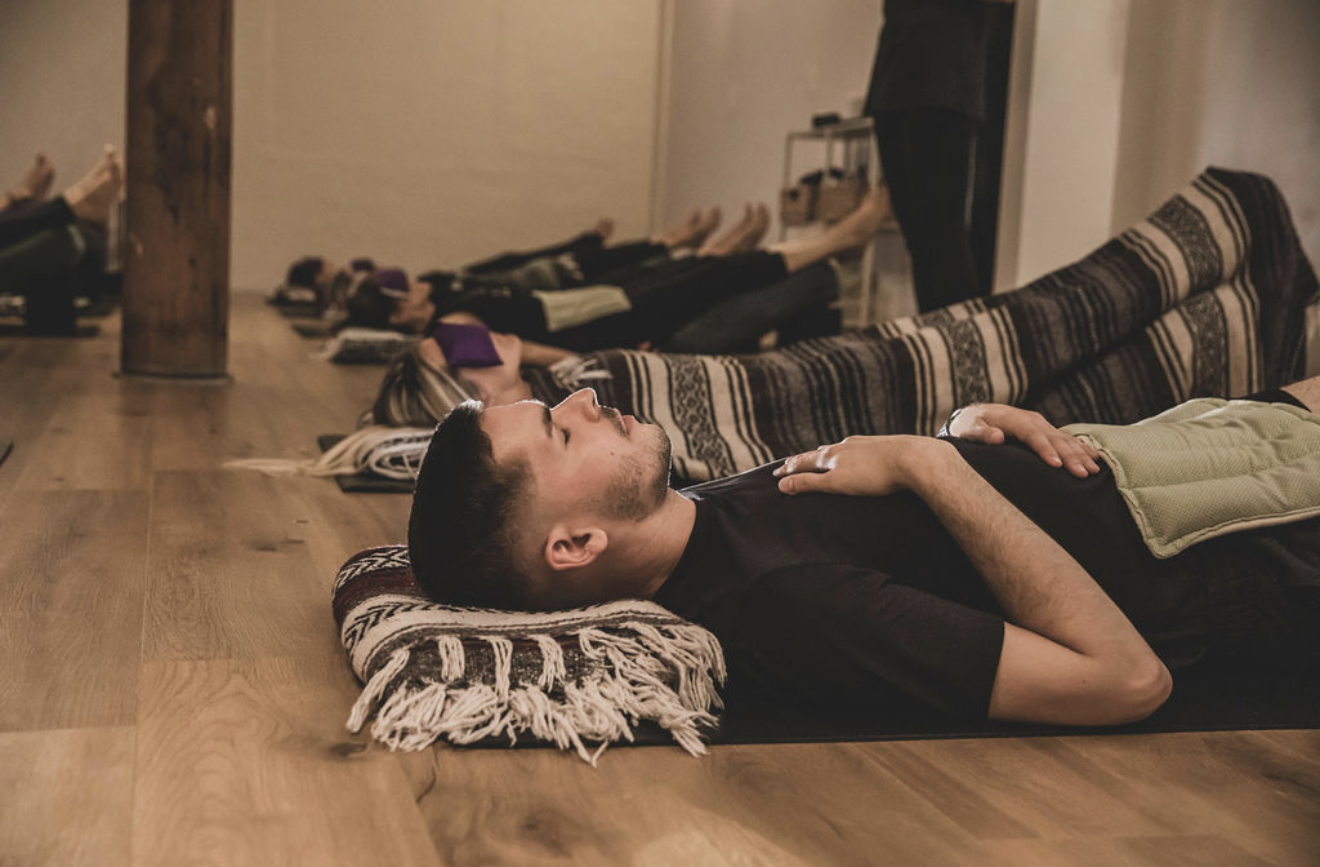
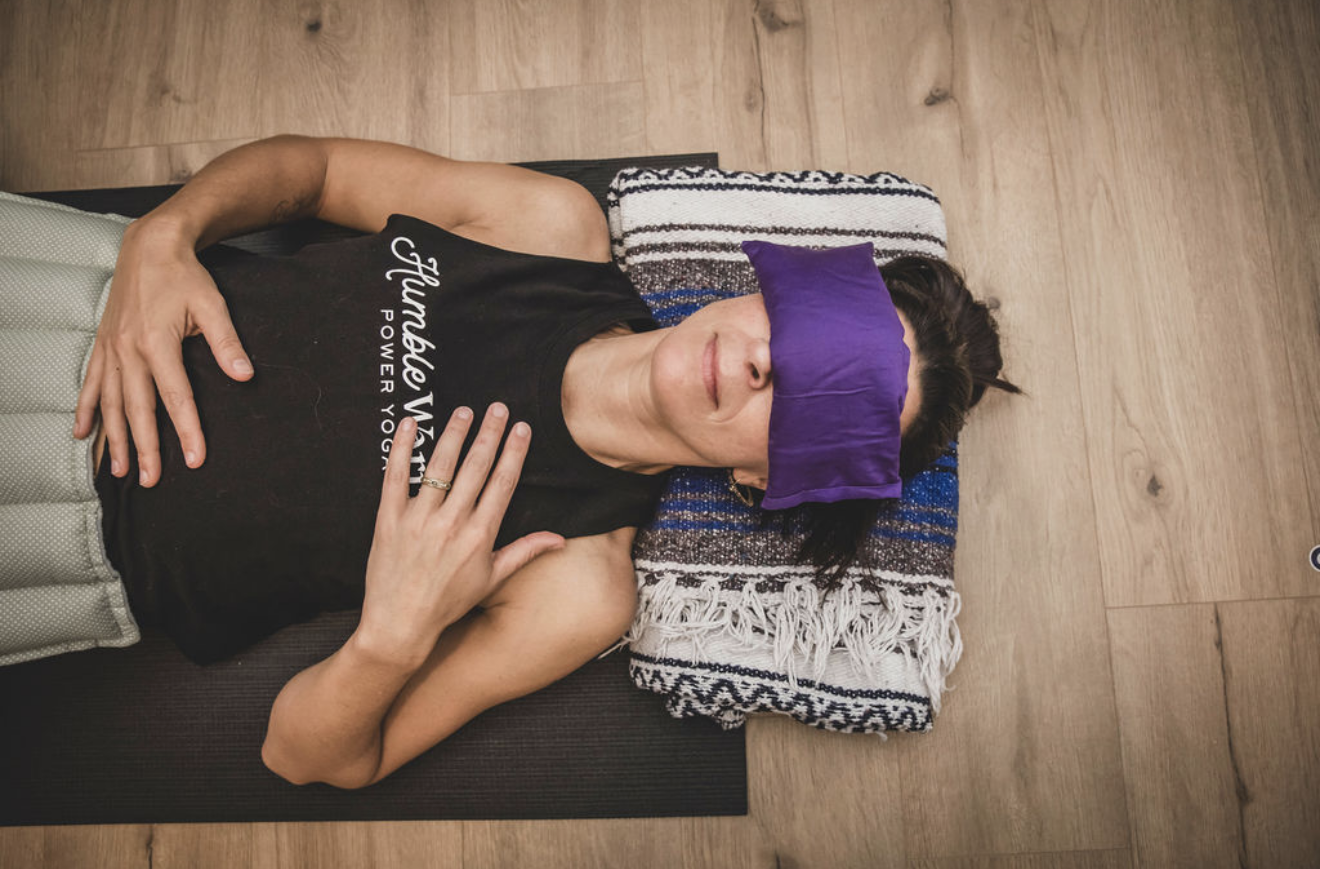
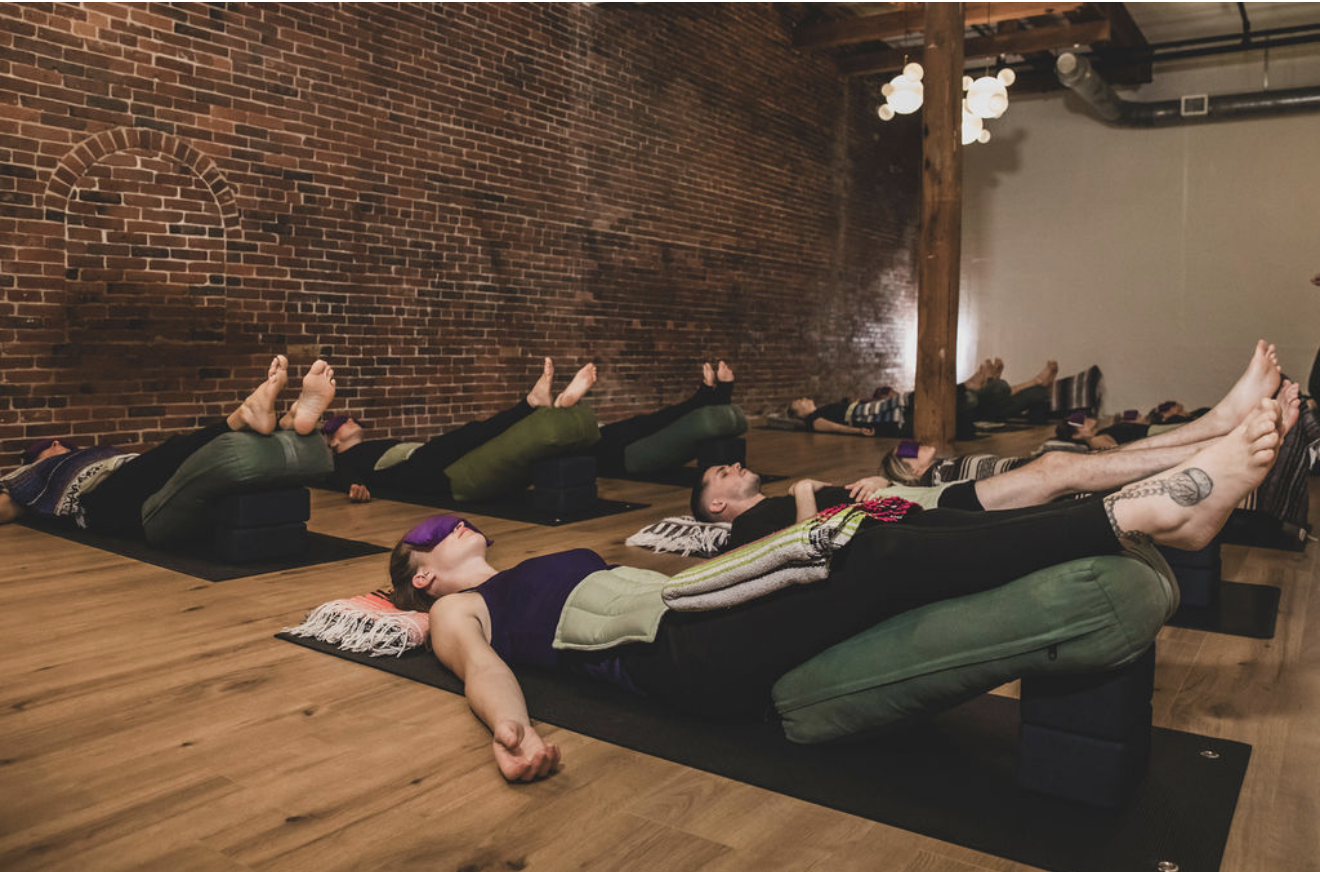
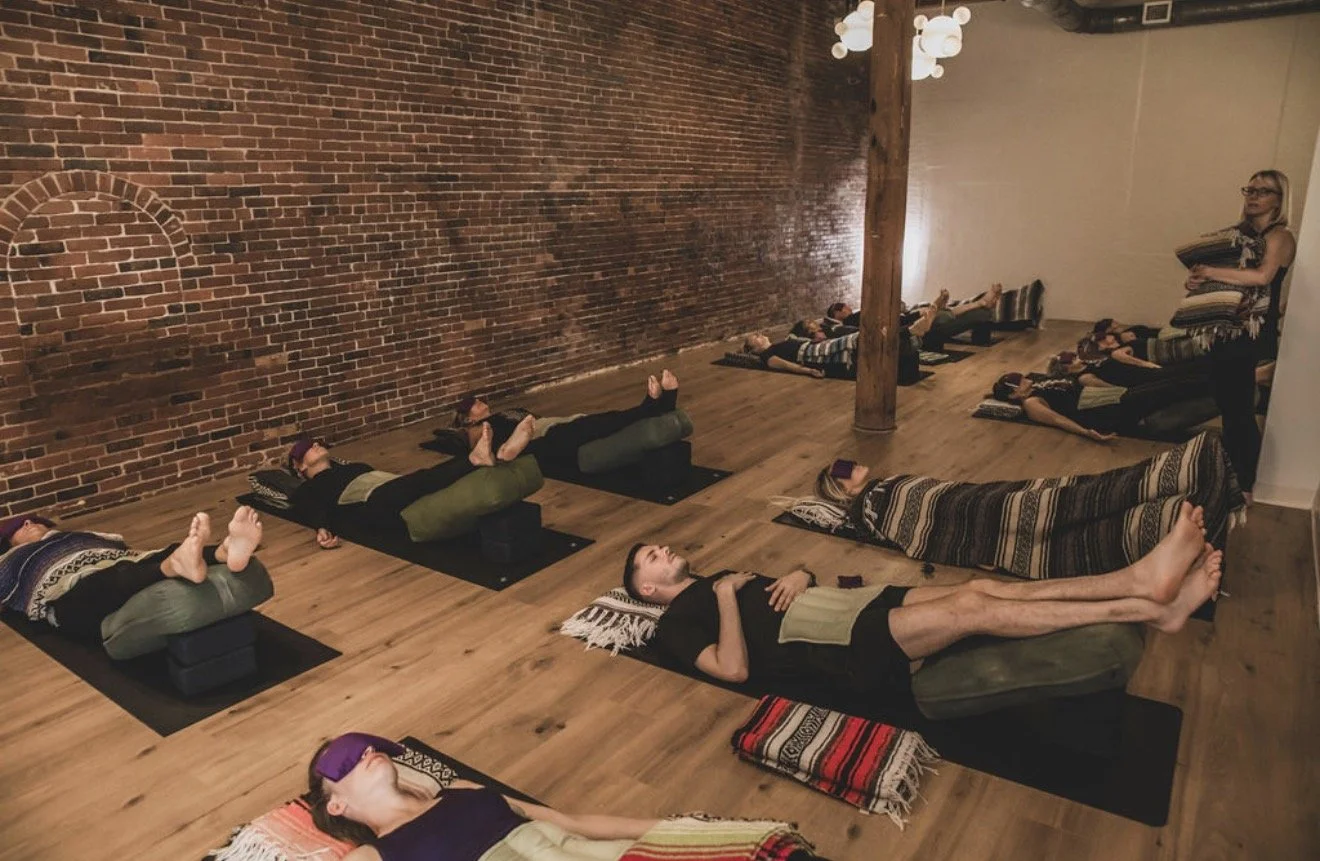
Traditional restorative yoga poses are supported with props such as bolsters, blankets, blocks, and straps. These poses are typically held for six to twelve minutes, giving the nervous system time to settle and the breath to soften naturally.
During these longer holds, muscles remain relaxed while passive stretching occurs. The breath becomes steady and unforced, supporting circulation, organ health, and nervous system regulation.
Restorative yoga is most effective when practiced in a quiet, warm space with soft lighting. Gentle music or essential oils may be incorporated with consent to enhance relaxation. The goal is not stimulation, but integration of the body, mind, and spirit.
Benefits of Restorative Yoga for Stress, Sleep, and Emotional Balance
A consistent restorative yoga practice can support:
Reduced stress and anxiety
Improved sleep and relief from insomnia
Nervous system regulation
Emotional balance and mental clarity
Greater resilience and overall well-being
By slowing down both on and off the mat, restorative yoga teaches awareness and intention. Over time, practitioners often experience a quieter mind, a softer inner dialogue, and a greater ability to meet life’s challenges with steadiness and grace.
Recharge: A Restorative-Inspired Class at Humble Warrior Yoga
At Humble, we offer Recharge, a restorative-inspired class designed to support nervous system regulation in a warm setting. Recharge blends stillness, gentle movement, and breath awareness while using blocks and straps rather than bolsters or blankets, making it accessible and supportive in a heated room.
Recharge is a step up from traditional restorative yoga, offering subtle movement while maintaining a deeply calming and grounding experience. It is designed to help students soften tension, recharge their energy, and leave feeling restored rather than depleted.
With studios in New Hampshire and Maine, Humble Warrior welcomes students from both States and Massachusetts residents seeking restorative yoga for stress relief and nervous system support.
Why Slowing Down Matters and why it is SO powerful
Restorative yoga reminds us that rest is not something we earn after exhaustion. It is a necessary foundation for physical health, emotional balance, and mental clarity.
Choosing to slow down is not avoidance. It is wisdom.
At Humble Warrior, restorative practices are an invitation to remember that you are safe, supported, and allowed to rest. Restorative yoga reminds us that rest is not something we earn after we’ve done enough. It is something we need in order to live well.
If slowing down feels uncomfortable, inconvenient, or even a little impossible, you’re not doing it wrong. That’s usually the sign you need it most. Restorative yoga doesn’t ask you to fix yourself. It simply invites you to lie down, breathe, and let the body remember how to feel safe again. No productivity required. No gold stars. Just breath, support, and permission to rest. Our innate power is found when we dip beneath the noise, and learn to find our inner sanctuary of peace and breath.
Restorative yoga won’t fix your inbox, your calendar, or your group text. But it might help you care a little less about all three.
We’ll call that progress.